
How Machine Learning Is Used in Financial Markets
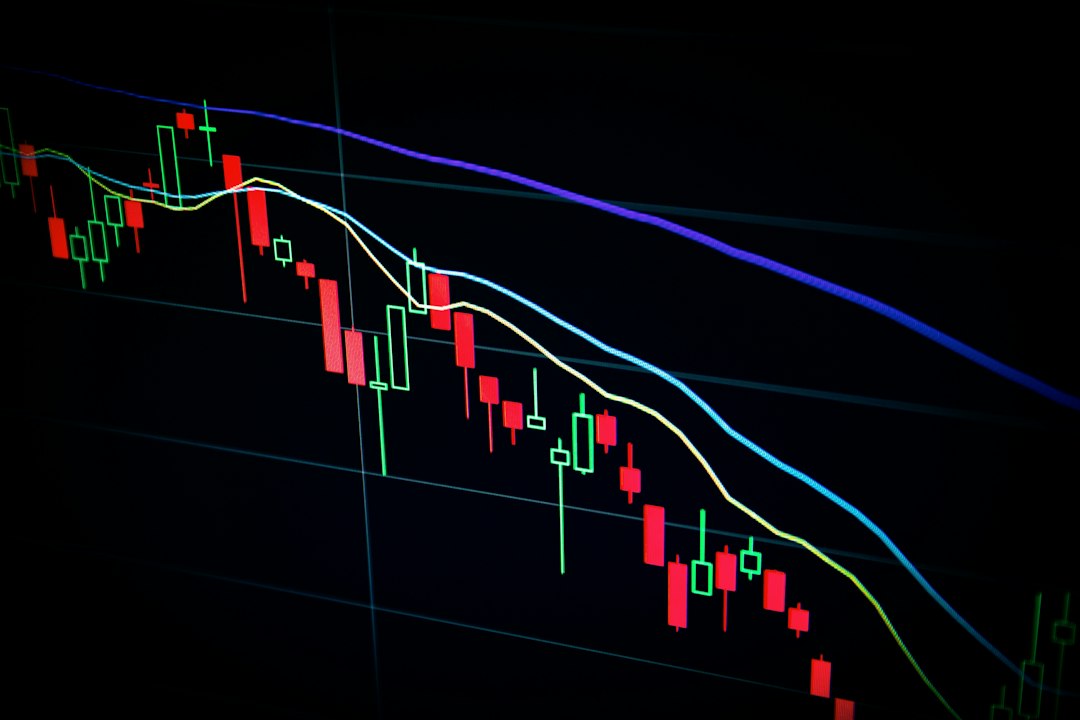
Financial markets generate massive amounts of data every second, making traditional analysis methods increasingly inadequate. Machine learning (ML) has emerged as a powerful tool that enables traders and institutions to process complex datasets, identify hidden patterns, and make data-driven decisions. This post explores how ML technologies are reshaping trading strategies, risk management, and market prediction in today's fast-paced financial environment.
Pattern Recognition and Price Prediction
Machine learning excels at identifying patterns in historical price data that human traders might miss. Neural networks and deep learning models analyze thousands of price movements, volume changes, and technical indicators simultaneously. These algorithms learn from past market behavior to predict potential future movements, though accuracy varies significantly based on market conditions and model quality.
Common ML techniques for price prediction include:
- Regression models that forecast price levels based on multiple variables
- Classification algorithms that predict market direction (up, down, sideways)
- Time series analysis using LSTM networks for sequential data patterns
- Ensemble methods that combine multiple models for improved accuracy
It's crucial to understand that ML models don't guarantee profits—they provide probabilistic forecasts that require proper risk management and validation.
Automated Trading Systems and Execution
Algorithmic trading bots powered by machine learning can execute trades faster and more consistently than humans. These systems continuously learn from market feedback, adjusting their parameters based on performance metrics. ML-enhanced bots analyze real-time market conditions, news sentiment, and order book dynamics to optimize entry and exit points.
Key advantages include:
- Elimination of emotional decision-making
- 24/7 market monitoring and response
- Backtesting capabilities on years of historical data
- Adaptive learning from changing market conditions
However, traders must monitor these systems carefully, as over-optimization on historical data can lead to poor real-world performance. Regular retraining and validation against unseen data are essential maintenance tasks.
Comparison: Traditional vs Machine Learning Approaches
Understanding the differences between conventional trading methods and ML-driven strategies helps traders choose the right tools for their goals.
| Aspect | Traditional Methods | Machine Learning Approaches |
|---|---|---|
| Data Processing | Limited indicators, manual analysis | Thousands of variables processed simultaneously |
| Adaptability | Static rules, manual updates needed | Continuous learning from new data |
| Speed | Slower decision-making process | Millisecond execution and analysis |
| Complexity | Simple rule-based strategies | Complex non-linear pattern recognition |
This comparison shows that ML offers computational advantages, but traditional methods remain valuable for understanding market fundamentals and maintaining control over trading logic.
Risk Management and Portfolio Optimization
Machine learning algorithms enhance risk management by analyzing correlations across multiple asset classes and market conditions. ML models can identify emerging risks before they become obvious, calculate optimal position sizes, and diversify portfolios based on sophisticated statistical relationships.
Applications in risk management include:
- Anomaly detection to identify unusual market behavior or potential black swan events
- Value at Risk (VaR) calculations using Monte Carlo simulations enhanced by ML
- Dynamic hedging strategies that adjust based on real-time volatility predictions
- Correlation analysis across thousands of instruments to optimize diversification
Financial institutions use these tools to maintain regulatory compliance while maximizing returns within acceptable risk parameters.
Sentiment Analysis and Alternative Data
Modern ML systems process alternative data sources including social media sentiment, news articles, earnings call transcripts, and satellite imagery. Natural Language Processing (NLP) algorithms extract trading signals from unstructured text data, converting human sentiment into quantifiable metrics.
These systems analyze:
- Twitter sentiment regarding specific stocks or currencies
- Financial news tone and urgency levels
- Central bank communication patterns
- Earnings report language and management confidence
Sentiment analysis provides an edge by capturing market psychology that traditional technical indicators miss, though false signals from noise remain a significant challenge.
Machine learning has fundamentally transformed financial markets, offering sophisticated tools for analysis, execution, and risk management. While ML systems provide powerful capabilities, successful implementation requires understanding their limitations, maintaining proper oversight, and combining automated intelligence with sound trading principles. Start exploring ML tools gradually, validate thoroughly, and never rely on automation without comprehensive risk controls.