
Why Most Automated Trading Systems Eventually Fail
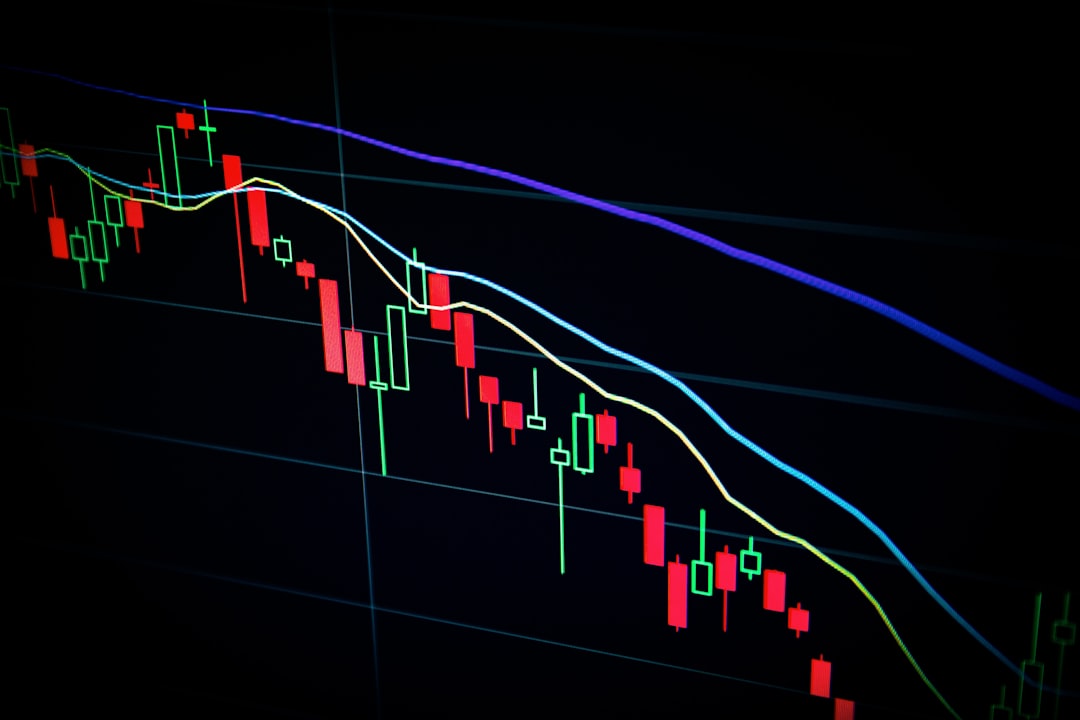
Automated trading systems promise efficiency and emotion-free execution, yet statistics show that most fail within their first year of live trading. While algorithmic trading dominates institutional markets, retail traders often discover their bots underperform or crash spectacularly. Understanding why these systems fail is crucial for anyone considering automation. This article examines the primary causes of automated trading system failure and provides insights to build more resilient approaches.
The Overfitting Trap: Optimizing for the Past
The most common reason trading bots fail is overfitting—when a system is excessively optimized to historical data. Developers tweak parameters until backtest results look perfect, but this creates a system that memorizes past patterns rather than identifying repeatable market logic. When live market conditions deviate even slightly, these over-optimized bots collapse.
Warning signs of overfitting include:
- Backtest performance significantly better than forward test results
- Hundreds of parameter combinations tested to find the "best" settings
- Strategy performs well on specific timeframes but fails on others
- Extremely high win rates (above 85%) in historical testing
Professional developers use out-of-sample testing and walk-forward analysis to validate strategies on unseen data. They accept that realistic systems show modest but consistent performance rather than spectacular backtested returns.
Market Regime Changes and Adaptation Failure
Financial markets constantly evolve through different regimes—trending, ranging, high volatility, low volatility. A trading bot optimized for trending markets will suffer during consolidation periods. Most retail automated systems lack adaptive mechanisms to recognize regime changes and adjust accordingly.
| Market Regime | Characteristics | Strategy Impact |
|---|---|---|
| Trending | Directional movement, momentum | Trend-following bots profit |
| Ranging | Sideways consolidation | Mean-reversion works, trends fail |
| High Volatility | Large price swings | Stop losses trigger frequently |
| Low Volatility | Tight price ranges | Insufficient profit opportunities |
Successful institutional systems incorporate regime detection algorithms and can switch strategies or reduce position sizes when conditions become unfavorable. Static retail bots continue executing the same logic regardless of changing market dynamics, leading to drawdowns and eventual failure.
Execution Quality and Infrastructure Weaknesses
Even sound trading logic fails without robust technical infrastructure. Slippage, latency, and connection failures can transform profitable backtests into losing live systems. Retail traders often underestimate execution challenges that institutional players solve with colocation servers and direct market access.
Common technical failure points include:
- Internet connectivity issues causing missed trades or duplicate orders
- Broker API limitations and rate restrictions
- Inadequate handling of network errors and reconnection logic
- Insufficient server resources during high-frequency trading
Additionally, broker spread widening during news events or low liquidity periods can invalidate strategy assumptions. A bot designed around 2-pip spreads may become unprofitable when spreads suddenly jump to 10 pips during volatile sessions.
Inadequate Risk Management and Position Sizing
Many automated systems fail not because their entry logic is flawed, but because they lack proper risk controls. A single catastrophic loss can wipe out months of small gains. Retail bots often use fixed lot sizes without accounting for volatility changes or correlation between open positions.
Critical risk management elements frequently missing:
- Dynamic position sizing based on account equity and volatility
- Maximum drawdown limits that pause trading after threshold breach
- Correlation analysis preventing overexposure to similar positions
- Black swan event protections and circuit breakers
Professional systems treat preservation of capital as the primary objective. They implement multiple safety layers, including maximum daily loss limits, exposure caps per currency pair, and automatic shutdown protocols during abnormal market conditions.
The Neglected Maintenance Factor
Unlike human traders who continuously learn and adapt, automated systems require active maintenance. Brokers change API specifications, market microstructure evolves, and previously profitable inefficiencies disappear as more participants exploit them. Systems left running without updates gradually degrade in performance.
Continuous monitoring and updating are essential. Successful algorithmic traders regularly review performance metrics, recalibrate parameters using recent data, and retire strategies showing consistent decline. They understand that automated trading isn't truly passive—it requires ongoing supervision and refinement.
Conclusion
Most automated trading systems fail due to overfitting, inability to adapt to regime changes, technical infrastructure weaknesses, inadequate risk management, and lack of maintenance. Success requires realistic expectations, robust testing methodologies, adaptive algorithms, and continuous oversight. Automation enhances trading discipline but doesn't eliminate the need for expertise and active system management. Build conservatively, test rigorously, and maintain vigilantly.