
How to Backtest Forex Trading Strategies Properly
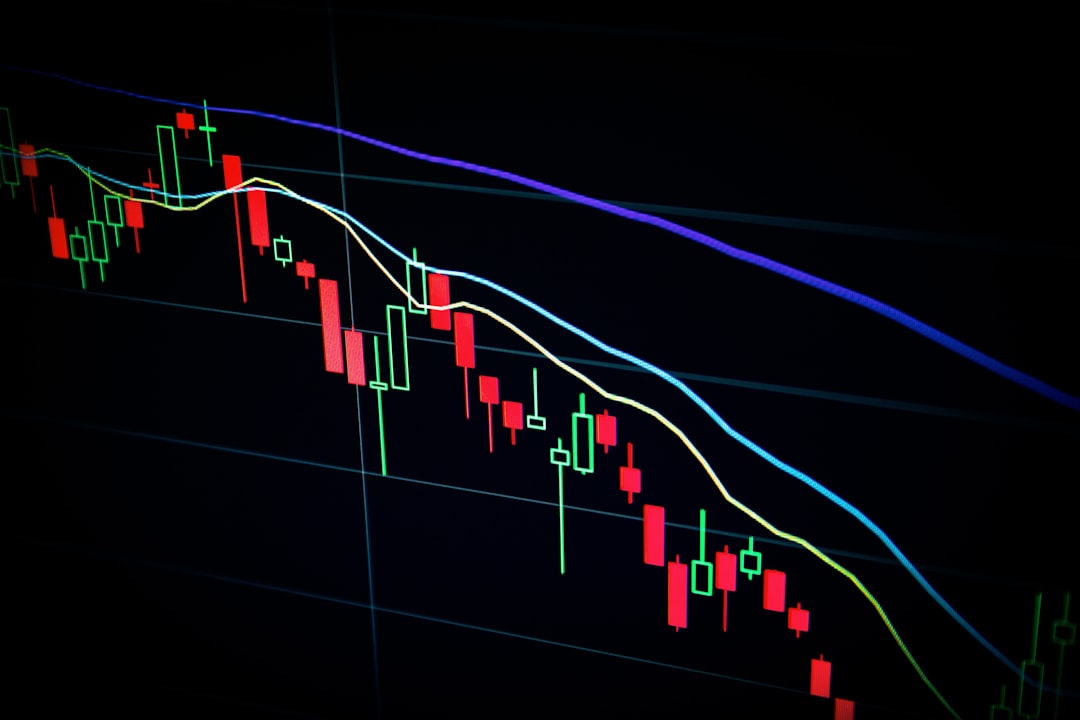
Backtesting is the process of testing a trading strategy using historical market data to evaluate its potential effectiveness before risking real capital. Many traders skip this crucial step or perform it incorrectly, leading to disappointing live results. In this guide, you'll learn the essential principles of proper backtesting, common mistakes to avoid, and how to validate your Forex trading strategies with confidence and accuracy.
Understanding Backtesting Fundamentals
Backtesting simulates how a trading strategy would have performed in past market conditions. The goal is not to find a perfect system, but to understand a strategy's behavior, risk profile, and potential profitability under various scenarios. Proper backtesting requires quality historical data with accurate bid-ask spreads, realistic slippage assumptions, and appropriate timeframes that match your trading style.
To conduct meaningful backtests, you need at least 2-3 years of historical data covering different market conditions—trending markets, ranging markets, high volatility, and low volatility periods. Testing across multiple currency pairs also helps identify whether your strategy works universally or only in specific market environments. Remember that past performance never guarantees future results, but thorough backtesting reveals strengths and weaknesses you must understand.
Key Metrics to Track During Backtesting
Simply checking if a strategy is profitable isn't enough. You must analyze comprehensive performance metrics to assess viability:
- Win rate: Percentage of winning trades versus total trades
- Risk-reward ratio: Average profit per winning trade compared to average loss
- Maximum drawdown: Largest peak-to-trough decline in account equity
- Profit factor: Gross profits divided by gross losses (above 1.5 is generally good)
- Sharpe ratio: Risk-adjusted return measuring consistency
Track these metrics across different time periods and market conditions. A strategy that shows consistent performance across various scenarios is more reliable than one that only works in specific circumstances. Maximum drawdown is particularly critical—it reveals the worst-case scenario your account would have experienced and helps determine appropriate position sizing.
Common Backtesting Mistakes to Avoid
Many traders fall into traps that invalidate their backtesting results. Curve fitting or over-optimization occurs when you adjust strategy parameters repeatedly until historical results look perfect. This creates strategies that work beautifully on past data but fail miserably in live trading because they're tailored to past quirks rather than genuine market patterns.
| Mistake | Impact | Solution |
|---|---|---|
| Curve Fitting | Strategy fails in live conditions | Use out-of-sample testing periods |
| Ignoring Spreads | Inflated profit expectations | Include realistic transaction costs |
| Look-Ahead Bias | Unrealistic entry/exit timing | Only use data available at decision time |
| Insufficient Data | Poor statistical significance | Test across minimum 2-3 years |
Look-ahead bias happens when your backtest uses information that wouldn't have been available at the time of the trade. For example, using closing prices to trigger entries that would only be known after the candle closes. Always ensure your backtest logic reflects real-time decision-making constraints.
Validation Through Forward Testing
After backtesting, validate your strategy through forward testing (also called paper trading or demo trading). This involves running your strategy in real market conditions without risking capital. Forward testing reveals how your strategy handles current market dynamics, execution delays, and psychological factors that backtests cannot simulate.
Run forward tests for at least 1-3 months before considering live trading. Compare forward testing results with backtesting results—significant discrepancies indicate potential issues like over-optimization or changing market conditions. This validation phase is essential for building confidence in your strategy and making necessary adjustments before deploying real money.
Integrating Backtesting Into Your Trading Process
Professional traders treat backtesting as an ongoing process, not a one-time event. Markets evolve, and strategies that worked previously may lose effectiveness. Regularly re-backtest your strategies using recent data to ensure they remain viable. Document all backtesting results, including parameters, market conditions, and metrics, creating a reference library for future strategy development.
Consider using specialized backtesting software or trading platforms with built-in backtesting capabilities. Popular options include MetaTrader's Strategy Tester, TradingView's Pine Script backtester, or dedicated platforms like Forex Tester. Automated backtesting through programming languages like Python offers maximum flexibility for complex strategies and custom analytics.
Proper backtesting transforms trading from gambling to informed decision-making. By following these principles—using quality data, tracking comprehensive metrics, avoiding common pitfalls, and validating through forward testing—you develop realistic expectations and confidence in your trading approach. Start backtesting systematically today to build strategies based on evidence rather than hope.