
The Best Indicators for AI-Assisted Forex Trading
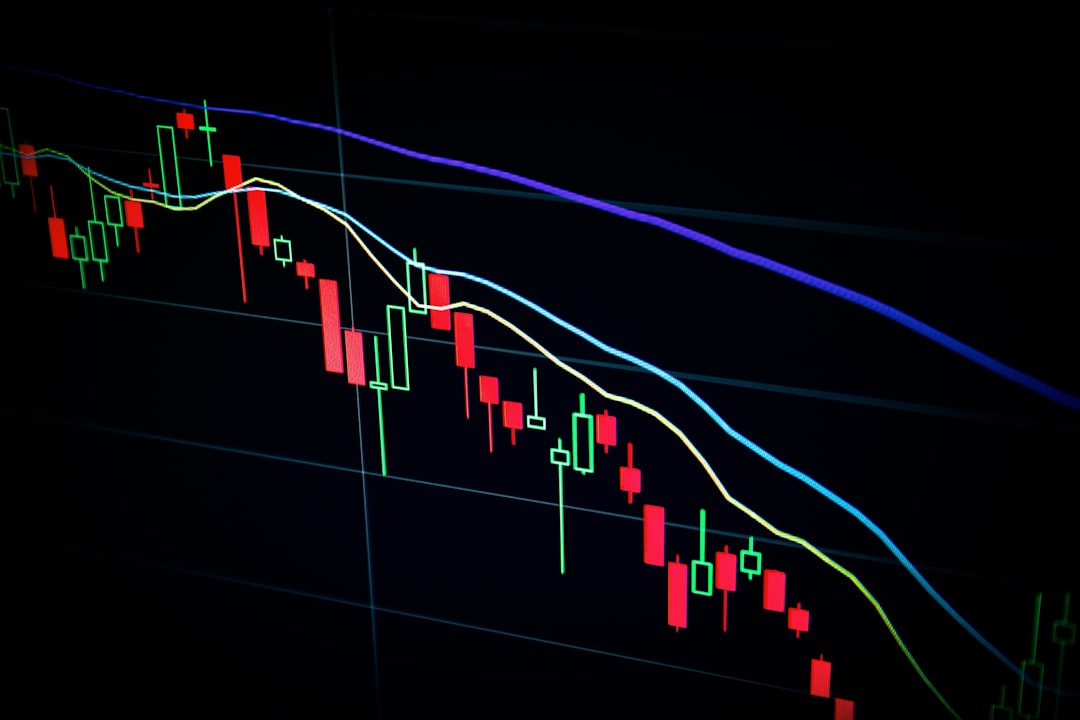
Choosing the right technical indicators for your AI-assisted Forex trading system can mean the difference between consistent performance and disappointing results. While AI trading bots can process vast amounts of market data, they require properly configured indicators to generate accurate signals. This guide examines the most effective indicators for automated trading systems and explains how to combine them for optimal results.
Why Indicator Selection Matters for AI Trading Systems
AI trading bots rely on mathematical formulas and historical patterns to make decisions. The quality of your indicators directly impacts your bot's decision-making ability. Unlike human traders who can interpret market context intuitively, automated systems need clear, quantifiable data points. Poor indicator choices lead to false signals, excessive trades, and reduced profitability.
The best indicators for AI trading share three characteristics: they produce clear signals, work across different market conditions, and complement other indicators without creating redundancy. When selecting indicators, consider both trend-following and momentum-based options to create a balanced approach.
Top Trend-Following Indicators for Forex Bots
Trend-following indicators help AI systems identify the dominant market direction. Moving Averages (MA) remain the foundation of most automated strategies, with the 50-period and 200-period MAs being particularly popular for identifying major trends. The Average Directional Index (ADX) measures trend strength, helping bots avoid weak, choppy markets where most strategies fail.
The Ichimoku Cloud provides comprehensive trend information in a single indicator, making it efficient for AI processing. Its multiple components (Tenkan-sen, Kijun-sen, Senkou Span A and B) give bots multiple confirmation points before entering trades. Here's how these indicators compare:
| Indicator | Best Use Case | Signal Clarity | Lag Level |
|---|---|---|---|
| Moving Averages | Trend direction | High | Medium |
| ADX | Trend strength | High | Low |
| Ichimoku Cloud | Complete trend analysis | Medium | Medium-High |
| Parabolic SAR | Stop-loss placement | High | Low |
Essential Momentum and Oscillator Indicators
Momentum indicators help AI systems identify overbought and oversold conditions, improving entry and exit timing. The Relative Strength Index (RSI) works exceptionally well with automated systems because it produces clear numerical values (0-100) that bots can easily interpret. Values above 70 suggest overbought conditions, while readings below 30 indicate oversold markets.
The Stochastic Oscillator provides similar functionality but responds faster to price changes, making it valuable for shorter timeframes. MACD (Moving Average Convergence Divergence) combines trend and momentum analysis, generating both directional signals and momentum confirmation. AI bots can monitor MACD line crossovers and histogram changes to time entries precisely.
Volume and Volatility Indicators for AI Optimization
Volume and volatility indicators add crucial context that improves AI trading decisions. Average True Range (ATR) helps bots adjust position sizing and stop-loss levels based on current market volatility. Higher ATR values indicate increased volatility, prompting the system to reduce position size or widen stops accordingly.
On-Balance Volume (OBV) confirms price movements by tracking volume flow, helping AI systems avoid false breakouts. The Bollinger Bands indicator adapts to volatility automatically, providing dynamic support and resistance levels that work well in automated mean-reversion strategies. Bots can identify high-probability reversal zones when prices touch the outer bands while RSI shows divergence.
Combining Indicators in AI Trading Strategies
The most successful AI Forex bots use indicator combinations rather than relying on single signals. A typical setup might combine a trend indicator (50-period MA), a momentum oscillator (RSI), and a volatility measure (ATR) to create a robust decision framework. This approach reduces false signals while providing multiple confirmation points.
When configuring your AI trading system, avoid using too many correlated indicators. For example, combining RSI, Stochastic, and CCI provides redundant information since they measure similar market aspects. Instead, mix different indicator types: one for trend, one for momentum, and one for volatility. Test combinations thoroughly on historical data before deploying them in live markets.
Remember that no indicator combination guarantees profits. AI systems require ongoing monitoring, periodic optimization, and risk management rules to succeed long-term. Start with simple indicator setups, validate their performance, and gradually refine your approach based on real market results.
Conclusion: The best indicators for AI-assisted Forex trading combine clear signals with complementary market perspectives. Moving Averages, RSI, ADX, and ATR form a solid foundation for most automated strategies. Focus on indicator quality over quantity, test thoroughly, and maintain realistic expectations. Ready to optimize your trading bot? Start by implementing these proven indicators and monitoring their performance across different market conditions.