
How Trading Psychology Impacts Manual Forex Trading
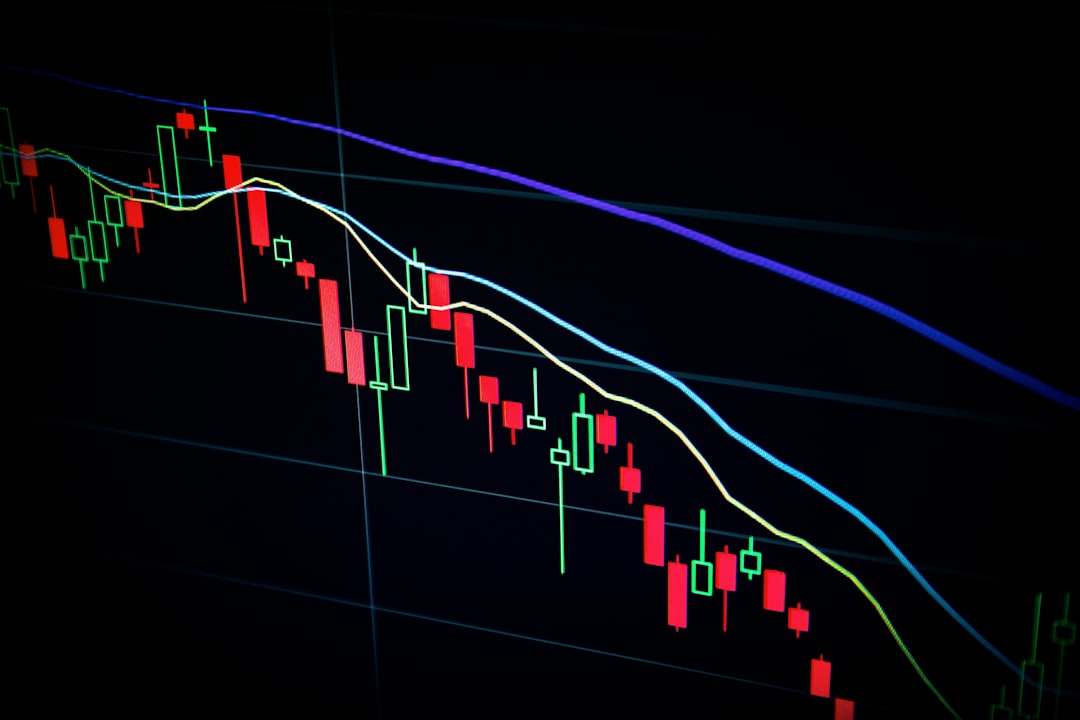
Successful manual Forex trading requires more than technical analysis and solid strategies. Your psychological state significantly influences every trading decision you make. Understanding how emotions like fear, greed, and overconfidence impact your trades is crucial for long-term profitability. This article explores the psychological challenges manual traders face and provides practical techniques to develop mental discipline for consistent trading performance.
The Emotional Cycle of Manual Trading
Manual Forex traders experience predictable emotional patterns that directly affect decision-making. Fear of missing out (FOMO) drives impulsive entries without proper analysis. After profitable trades, overconfidence leads to excessive position sizing and rule violations. Conversely, losing streaks trigger revenge trading, where traders chase losses with irrational decisions.
The emotional trading cycle typically follows this pattern:
- Initial excitement and confidence after early wins
- Overtrading as greed increases position sizes
- Anxiety and fear when losses mount
- Desperation leading to revenge trading
- Hopelessness and account depletion
Breaking this cycle requires recognizing these emotional triggers before they influence your trading behavior. Self-awareness is the first step toward psychological control.
Common Psychological Biases Affecting Forex Traders
Manual traders face numerous cognitive biases that distort rational decision-making. Confirmation bias causes traders to seek information supporting their existing positions while ignoring contradictory signals. Anchoring bias makes traders fixate on specific price levels or past performance, preventing objective analysis of current market conditions.
| Psychological Bias | Impact on Trading | Solution |
|---|---|---|
| Confirmation Bias | Ignoring opposing signals | Actively seek contradictory analysis |
| Anchoring Bias | Fixating on specific prices | Use objective entry/exit rules |
| Loss Aversion | Holding losing positions too long | Set strict stop-loss levels |
| Recency Bias | Overweighting recent results | Review long-term performance data |
Loss aversion, the tendency to feel losses more intensely than equivalent gains, causes traders to hold losing positions hoping for reversals. This behavior violates risk management principles and leads to significant account drawdowns. Understanding these biases helps you implement systematic safeguards.
Developing Mental Discipline for Consistent Trading
Building psychological resilience requires structured practices and consistent routines. Maintaining a trading journal helps you track not just trades but also your emotional state during each decision. Record what you felt before entering trades, during position management, and after closing—this creates accountability and reveals patterns.
Effective mental discipline strategies include:
- Pre-market preparation rituals that create psychological consistency
- Position sizing rules that remove emotional decision-making
- Mandatory breaks after consecutive losses to reset mentally
- Physical exercise and meditation to manage stress levels
- Separation of trading results from self-worth to maintain objectivity
Successful manual traders develop process-oriented thinking rather than outcome-focused mentality. Focus on executing your strategy perfectly rather than fixating on profit targets. This mental shift reduces emotional pressure and improves decision quality over time.
Manual Trading vs Automated Systems: Psychological Perspective
The psychological demands differ significantly between manual and automated trading approaches. Manual trading offers complete control but exposes you to emotional interference at every decision point. Automated trading systems and Forex bots eliminate emotional biases by executing predetermined rules without hesitation.
However, automation introduces different psychological challenges. Traders must resist interfering with bot performance during drawdown periods. The temptation to override algorithms during losing streaks often destroys the system's statistical edge. Many traders combine approaches—using automation for execution while maintaining manual oversight for strategy adjustment.
Understanding your psychological tendencies helps determine whether manual trading, automated systems, or hybrid approaches suit your personality. Those struggling with emotional control may benefit from algorithmic trading that enforces discipline mechanically.
Practical Techniques to Improve Trading Psychology
Implementing specific behavioral techniques strengthens psychological resilience. Visualization exercises before trading sessions prepare your mind for various market scenarios. Practice mentally rehearsing both winning and losing trades to reduce emotional reactivity when they occur in real markets.
Risk management serves as psychological protection. Never risk more than 1-2% of your account per trade—this removes the fear that paralyzes decision-making. Position sizing calculators and strict stop-loss placement eliminate emotional position management decisions.
Consider these additional practices: limit screen time to prevent overtrading, establish daily loss limits that force breaks, and create checklists that verify emotional readiness before entering trades. These structures create guardrails against impulsive behavior driven by fear or greed.
Trading psychology fundamentally determines your success in manual Forex trading. By recognizing emotional patterns, understanding cognitive biases, and implementing disciplined practices, you can transform psychological challenges into competitive advantages. Start by maintaining a detailed trading journal and establishing clear risk management rules. Whether you choose manual trading, automated systems, or hybrid approaches, mastering your mental state remains the foundation for consistent profitability in Forex markets.