
The Difference Between Scalping and Swing Trading
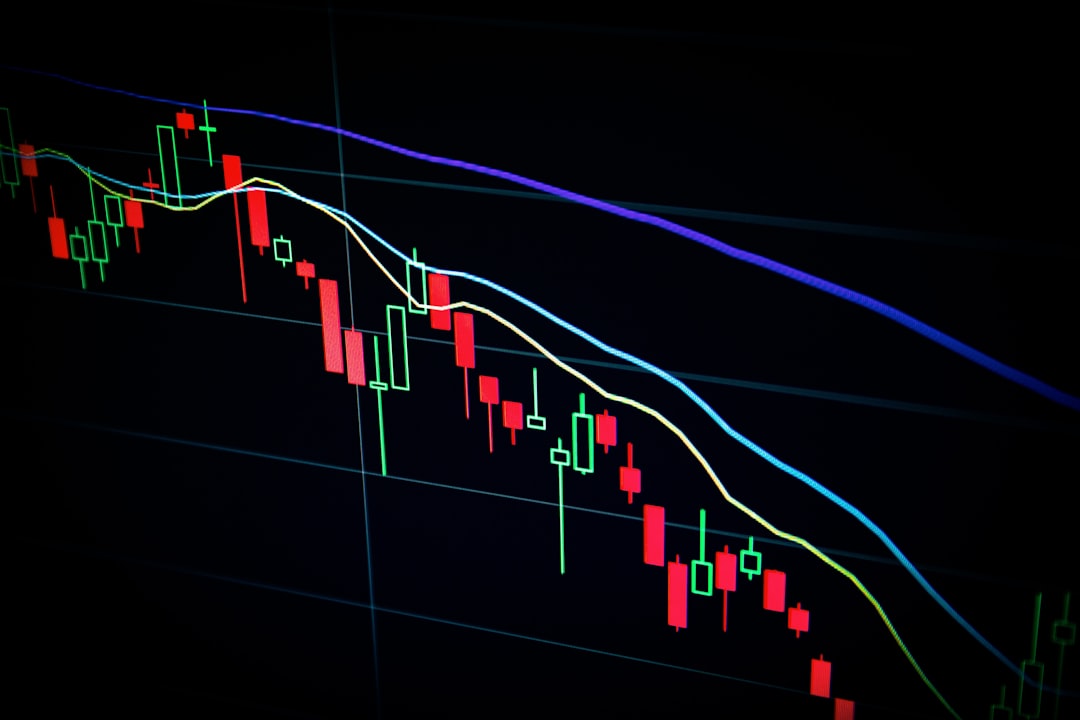
Choosing the right trading strategy is crucial for success in the Forex market. Two popular approaches—scalping and swing trading—represent opposite ends of the time spectrum, each with distinct characteristics, advantages, and challenges. Understanding these differences helps traders select a method that aligns with their personality, schedule, and risk tolerance. This guide breaks down both strategies to help you make an informed decision about which approach suits your trading goals.
What Is Scalping in Forex Trading?
Scalping is an ultra-short-term trading strategy focused on capturing small price movements throughout the trading day. Scalpers execute dozens or even hundreds of trades daily, holding positions for seconds to minutes. The goal is to accumulate small profits that compound into significant gains over time. This approach requires intense focus, quick decision-making, and immediate access to the market.
Key characteristics of scalping include:
- Trade duration: seconds to a few minutes
- Profit targets: 5-10 pips per trade typically
- Trading frequency: 20-100+ trades per day
- Chart timeframes: 1-minute to 5-minute charts
- Capital requirements: higher leverage often used
Scalping demands excellent technical analysis skills and the ability to read price action quickly. Many successful scalpers rely on automated trading bots or algorithmic systems to execute trades faster than manual methods allow, reducing the emotional pressure of rapid decision-making.
Understanding Swing Trading Strategies
Swing trading operates on a completely different timeline, capturing price swings over several days to weeks. Swing traders analyze broader market trends and hold positions through minor fluctuations to profit from larger price movements. This strategy requires patience and the ability to withstand short-term volatility without premature exits.
Swing trading characteristics:
- Trade duration: 2 days to several weeks
- Profit targets: 50-200+ pips per trade
- Trading frequency: 5-15 trades per month
- Chart timeframes: 4-hour, daily, and weekly charts
- Analysis focus: fundamental and technical factors
Swing traders can maintain regular jobs or other commitments since they're not monitoring charts constantly. AI-powered trading systems can assist by identifying optimal entry and exit points based on historical patterns and technical indicators, though the final decisions typically remain with the trader.
Scalping vs Swing Trading: Direct Comparison
To clarify the practical differences between these strategies, consider this comprehensive comparison:
| Factor | Scalping | Swing Trading |
|---|---|---|
| Time Commitment | Full-time monitoring required | Part-time, periodic checks |
| Stress Level | High intensity, fast-paced | Moderate, more relaxed |
| Spread Impact | Significant cost per trade | Minimal relative to profit target |
| Risk Per Trade | Lower (tight stop-loss) | Higher (wider stop-loss) |
| Overnight Risk | None (positions closed daily) | Present (positions held overnight) |
The choice between these methods significantly affects your trading environment, psychological demands, and potential for automation. Scalping suits traders who thrive in fast-paced environments and can dedicate full attention to markets, while swing trading appeals to those preferring analytical depth over speed.
Automation and AI in Both Trading Styles
Both scalping and swing trading can benefit from automated trading bots and AI-assisted systems, though in different ways. Scalping automation focuses on speed and execution precision—algorithms can identify micro-patterns and execute trades within milliseconds, impossible for human traders. Popular scalping bots use indicators like Moving Averages, RSI, and Bollinger Bands on extremely short timeframes.
Swing trading automation emphasizes pattern recognition and trend analysis. AI-powered systems can scan multiple currency pairs simultaneously, identifying potential swing setups based on historical data, fundamental factors, and technical confluences. These systems alert traders to opportunities rather than executing every trade automatically, maintaining human oversight for strategic decisions.
Which Strategy Should You Choose?
Your optimal strategy depends on several personal factors. Choose scalping if you have dedicated trading time, strong discipline, quick reflexes, and can handle high-pressure situations. It's ideal for traders comfortable with technology and potentially interested in algorithmic trading solutions. Select swing trading if you prefer thorough analysis, have limited time for active trading, or want to avoid constant market monitoring.
Many successful traders experiment with both approaches on demo accounts before committing real capital. Consider starting with swing trading to learn market dynamics without time pressure, then gradually explore scalping if the faster pace appeals to you. Remember that neither strategy guarantees profits—both require solid risk management, continuous education, and realistic expectations about market behavior.
Conclusion: Scalping and swing trading represent fundamentally different approaches to Forex markets, each with unique advantages and challenges. Scalpers chase numerous small profits through rapid trades, while swing traders pursue larger gains over extended periods. Understanding your personality, available time, and risk tolerance guides you toward the strategy most likely to succeed. Start with education, practice extensively on demo accounts, and consider how automation tools might enhance your chosen approach without replacing sound trading principles.