
How Market Volatility Affects Automated Trading Bots
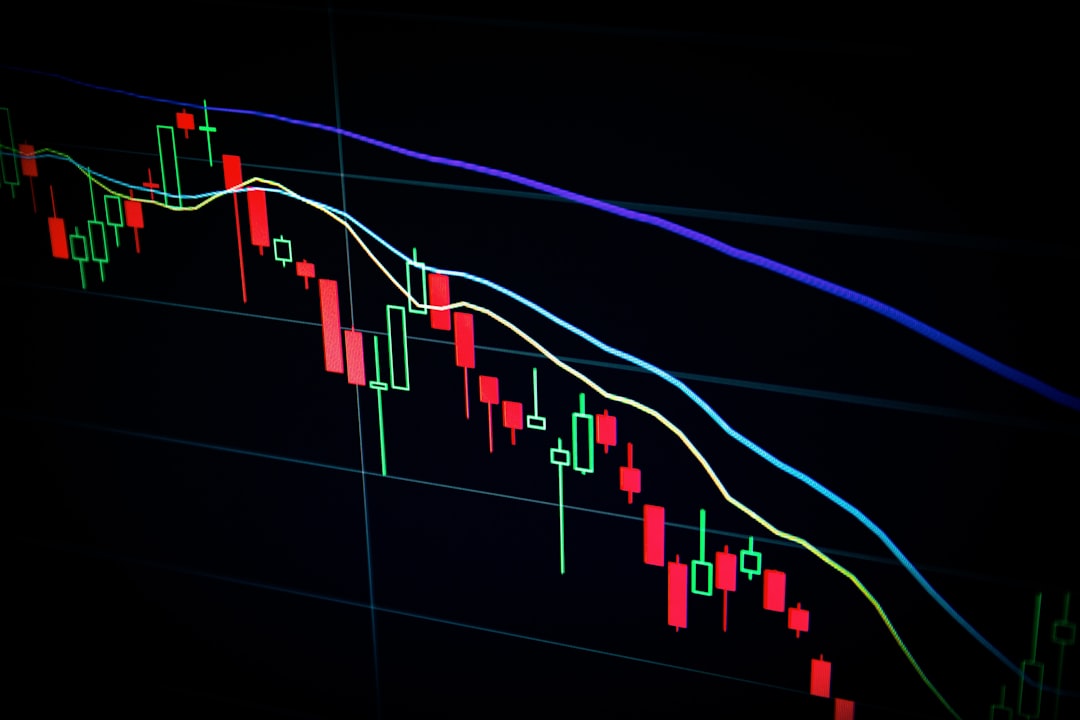
Market volatility presents both opportunities and challenges for automated trading bots. While bots excel at executing trades without emotional bias, sudden price swings can expose weaknesses in their programming and risk management protocols. Understanding how volatility impacts bot performance is essential for traders who want to optimize their automated systems. This guide examines the specific challenges volatile markets create for trading bots and provides practical strategies to minimize risks while maintaining profitability.
Understanding Volatility's Impact on Bot Execution
Automated trading bots rely on predefined algorithms to execute trades based on technical indicators, price patterns, or statistical models. During periods of high volatility, these systems face execution challenges that can significantly affect performance. Slippage becomes a critical issue when prices move rapidly between the time a bot signals a trade and when the order executes. This gap between expected and actual execution prices can erode profits, especially for scalping bots that rely on small price movements.
Additionally, spread widening during volatile sessions increases transaction costs. Many brokers expand bid-ask spreads when liquidity decreases or market uncertainty rises. Bots programmed to enter positions during these periods may face higher costs than anticipated, reducing overall strategy effectiveness. Fast-moving markets also trigger more false signals as technical indicators generate conflicting data, causing bots to enter and exit positions prematurely.
How Different Bot Strategies Respond to Volatility
Not all automated trading strategies respond equally to market volatility. Understanding these differences helps traders select appropriate bots for current market conditions:
| Strategy Type | Volatility Advantages | Volatility Risks |
|---|---|---|
| Scalping Bots | More trading opportunities | High slippage, increased spreads |
| Trend Following | Strong directional moves | Whipsaws, false breakouts |
| Mean Reversion | Profitable overshoots | Extended trends, larger drawdowns |
| Grid Trading | Captures price swings | Margin calls, rapid losses |
Scalping bots may generate more signals during volatile periods but struggle with execution quality. Trend-following systems can capitalize on sustained directional moves but often suffer from false breakouts. Mean reversion strategies profit from price overshoots but risk significant losses if volatility persists longer than expected.
Optimizing Bot Performance During High Volatility
Traders can implement several adjustments to improve bot performance in volatile markets. Dynamic position sizing allows bots to reduce trade sizes when volatility increases, measured by indicators like ATR (Average True Range) or standard deviation. This approach limits potential losses during unpredictable price swings while maintaining market exposure.
Implementing volatility filters prevents bots from trading during extreme market conditions. For example, suspending operations when the VIX exceeds certain thresholds or when major economic announcements are scheduled reduces exposure to erratic price movements. Additionally, adjusting stop-loss parameters based on current volatility prevents premature exits while maintaining adequate risk protection. Wider stops accommodate larger price fluctuations without compromising overall risk management principles.
Risk Management Essentials for Volatile Markets
Effective risk management becomes crucial when running automated systems in volatile conditions. Maximum drawdown limits should be programmed into bots to automatically pause trading if losses exceed predetermined thresholds. This prevents catastrophic losses during unexpected market events. Diversification across timeframes and currency pairs reduces correlation risk, as different markets often exhibit varying volatility patterns.
Regular backtesting with volatile market data helps identify strategy weaknesses before live deployment. Include historical periods of high volatility in testing scenarios to evaluate how bots would have performed during crisis periods like flash crashes or major economic announcements. Finally, maintain adequate account capitalization to withstand normal volatility fluctuations without triggering margin calls or forced liquidations.
Monitoring and Adjusting Bot Parameters
Continuous monitoring remains essential even with automated systems. Establish performance metrics that track bot behavior during different volatility regimes, including win rates, average trade duration, and profit factor across market conditions. This data reveals when strategy adjustments are necessary.
Consider implementing adaptive algorithms that automatically adjust parameters based on current market volatility. These systems modify indicators, entry thresholds, or position sizes in response to changing conditions. While more complex to program, adaptive bots often outperform static systems across varying market environments. Regular portfolio rebalancing ensures that successful strategies don't become over-leveraged while underperforming systems receive appropriate attention or deactivation.
Market volatility significantly impacts automated trading bot performance through execution challenges, strategy-specific vulnerabilities, and increased risk exposure. By implementing dynamic position sizing, volatility filters, and robust risk management protocols, traders can optimize bot performance across varying market conditions. Regular monitoring and parameter adjustments ensure automated systems remain effective as market dynamics evolve. Approach volatility as a manageable variable rather than an insurmountable obstacle, and continuously refine your bots to adapt to changing market environments.