
What Beginner Traders Should Know About AI Trading
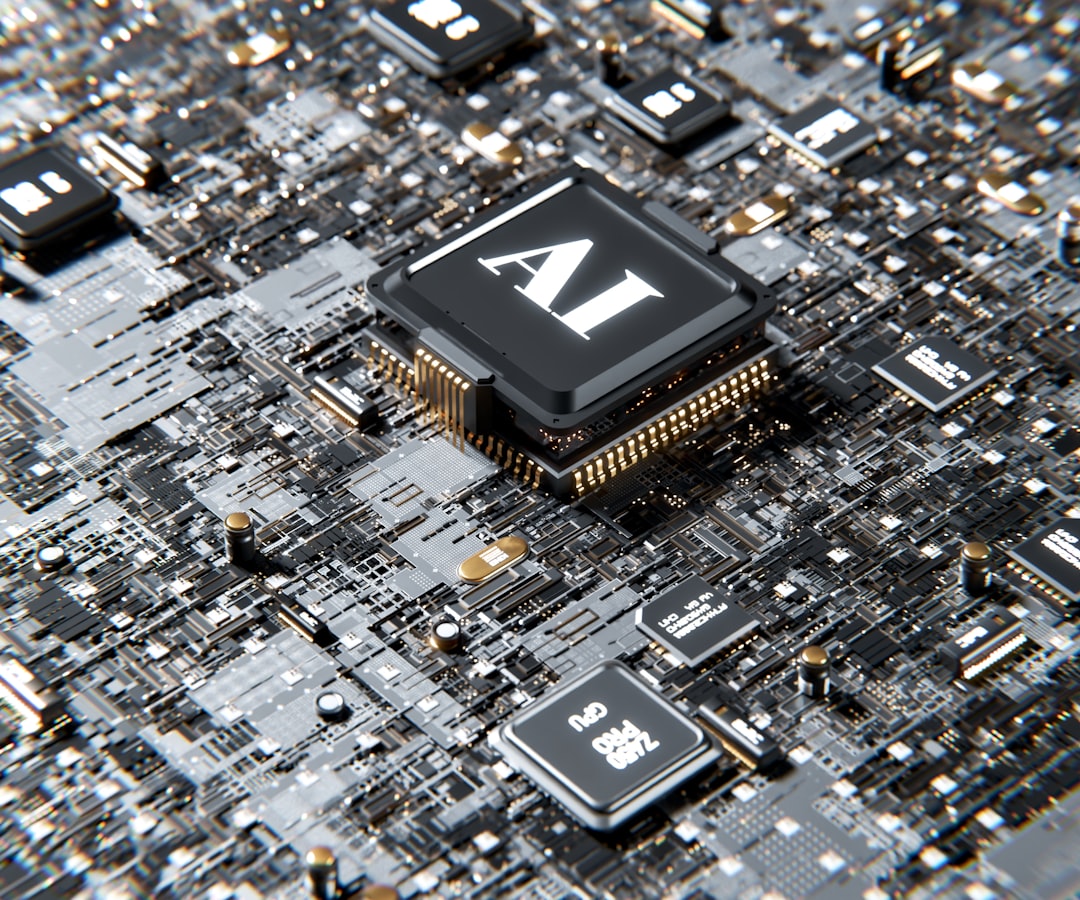
Artificial intelligence is transforming how traders approach the Forex market, but the hype often overshadows reality. Many beginners hear promises of effortless profits through AI-powered bots and assume technology eliminates all risk. The truth is more nuanced. This guide explains what AI trading actually involves, its genuine benefits and limitations, and what you need to know before incorporating AI tools into your trading strategy.
Understanding How AI Trading Actually Works
AI trading systems use machine learning algorithms to analyze market data and execute trades. Unlike simple automated bots following fixed rules, AI systems can identify patterns across thousands of data points simultaneously. They process technical indicators, price movements, news sentiment, and historical correlations faster than humans. However, AI doesn't predict the future—it identifies probabilities based on past patterns.
The technology ranges from basic rule-based algorithms to sophisticated neural networks that adapt to changing market conditions. Most retail traders access AI through pre-built trading bots or signal services rather than developing custom algorithms. These tools can monitor multiple currency pairs 24/7, execute trades at optimal moments, and remove emotional decision-making from the equation.
Comparing Manual Trading and AI-Assisted Approaches
Understanding the differences between traditional and AI-enhanced trading helps beginners set realistic expectations. Both methods have distinct advantages and challenges worth considering before committing capital.
| Aspect | Manual Trading | AI Trading Systems |
|---|---|---|
| Execution Speed | Limited by human reaction time | Millisecond trade execution |
| Emotional Control | Prone to fear and greed | Emotionless decision-making |
| Market Monitoring | Limited hours, multiple screens | 24/7 automated surveillance |
| Learning Curve | Requires extensive experience | Still requires configuration knowledge |
| Adaptability | Human judgment in unusual conditions | Limited to programmed responses |
The Real Benefits AI Brings to Forex Trading
AI trading offers legitimate advantages that can improve trading outcomes when used correctly. The primary benefit is consistency—AI systems follow their programmed strategy without deviation, eliminating impulsive decisions that destroy many trading accounts. They execute trades at precisely defined entry and exit points, maintaining discipline that humans struggle to achieve.
AI excels at pattern recognition across multiple timeframes and currency pairs simultaneously. Where a human trader might watch three charts, AI can monitor dozens. This capability helps identify correlations and opportunities that manual analysis would miss. Additionally, AI systems backtest strategies against years of historical data in minutes, helping validate approaches before risking real money.
The technology also provides risk management automation. AI can calculate position sizes based on account balance, set dynamic stop-losses that adjust to volatility, and automatically close trades when predefined risk thresholds are breached.
Critical Limitations and Risks to Understand
Despite the advantages, AI trading carries significant limitations beginners must recognize. Historical performance doesn't guarantee future results—market conditions change, and AI trained on past data may fail when unprecedented events occur. The 2020 pandemic volatility, for example, broke many AI models optimized for normal conditions.
AI systems require proper configuration and ongoing monitoring. A poorly configured bot can drain an account quickly through over-trading or inappropriate position sizing. Many beginners mistakenly believe "set it and forget it" works, but responsible AI trading demands regular performance reviews and adjustments.
Another risk is over-optimization or "curve fitting,