
What Is Risk Management in Automated Trading?
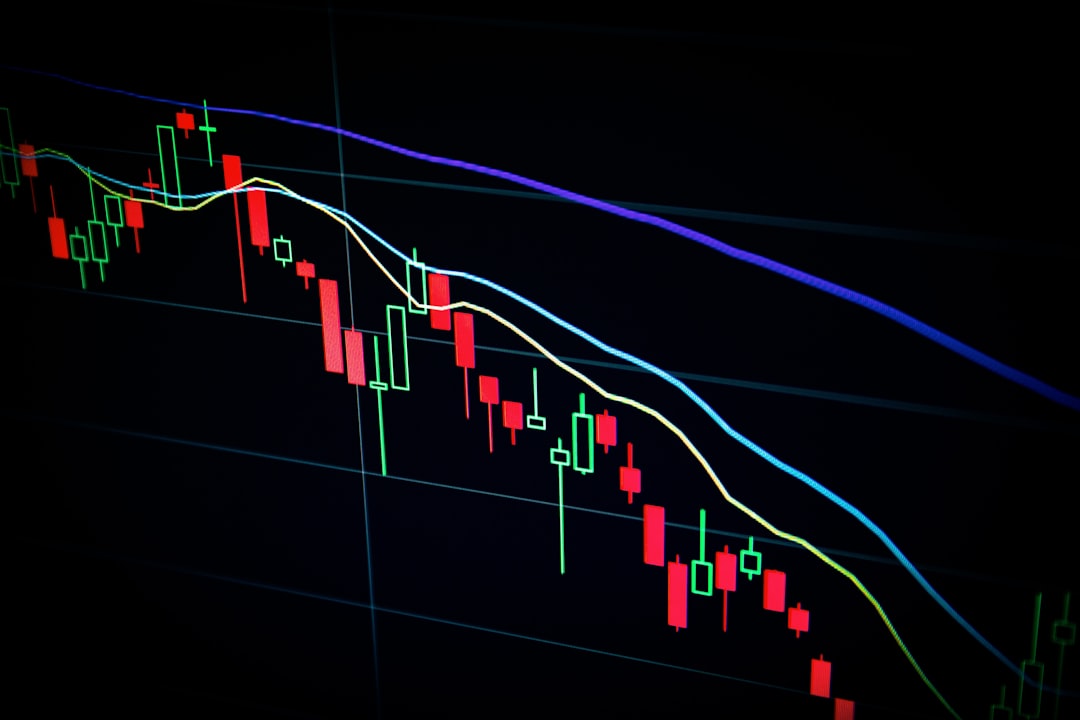
Automated trading systems and AI-powered bots offer speed and efficiency that manual trading cannot match. However, without proper risk management protocols, these systems can drain trading accounts faster than human traders ever could. Risk management in automated trading involves implementing safeguards, position limits, and loss prevention mechanisms to protect capital while allowing your bot to execute strategies systematically. This guide explains the core principles every trader must understand before deploying automated systems in the Forex market.
Core Components of Automated Risk Management
Risk management in automated trading revolves around three fundamental pillars: position sizing, stop-loss automation, and drawdown controls. Position sizing determines how much capital your bot allocates per trade based on account balance and risk tolerance. Most professional systems risk between 1-2% of total account equity per position to prevent catastrophic losses from single trades.
Stop-loss automation ensures every trade has a predetermined exit point if the market moves against your position. Unlike manual trading where emotions can delay execution, automated systems execute stops instantly. Drawdown controls pause trading when cumulative losses reach a specified threshold, typically 10-20% of account value. This prevents the bot from continuing to trade during unfavorable market conditions or during strategy failures.
| Risk Parameter | Recommended Setting | Purpose |
|---|---|---|
| Risk Per Trade | 1-2% of capital | Limits single trade impact |
| Daily Loss Limit | 3-5% of capital | Prevents bad trading days |
| Max Drawdown | 10-20% of capital | Triggers system pause |
| Maximum Open Positions | 3-5 trades | Controls exposure concentration |
Configuring Your Trading Bot's Risk Settings
Every reputable automated trading platform includes risk management configuration options. Begin by setting your maximum risk per trade in the bot's settings panel. This value should be expressed as a percentage of your account balance, not a fixed dollar amount, allowing the system to scale position sizes as your account grows or shrinks.
Configure correlation filters to prevent your bot from opening multiple positions on highly correlated currency pairs simultaneously. For example, EUR/USD and GBP/USD often move together, so opening both positions can double your exposure to USD movements. Most advanced bots allow you to set correlation thresholds between 0.7-0.9 to block redundant trades.
Implement time-based restrictions that prevent trading during high-impact news events or low-liquidity periods. Major economic announcements create volatility spikes that can trigger stop-losses prematurely or cause slippage that exceeds your risk parameters. Configure your bot to pause 30 minutes before and after scheduled news releases.
Monitoring and Adjusting Automated Risk Controls
Risk management isn't a set-and-forget process. Successful automated traders review their bot's performance weekly to identify risk parameter adjustments. Track your risk-adjusted returns using metrics like the Sharpe ratio or Sortino ratio, which measure profit relative to volatility and downside risk respectively.
Monitor your system's maximum consecutive losses. If your bot experiences five or more losing trades in a row, this may indicate market conditions have changed or the strategy is no longer effective. Many traders implement circuit breakers that automatically disable the bot after a specified number of consecutive losses.
Regularly test your risk settings in a demo environment before applying changes to live trading. Small adjustments to position sizing or stop-loss distances can significantly impact overall performance and drawdown characteristics.
Common Risk Management Mistakes to Avoid
The most dangerous error in automated trading is over-optimization of risk parameters based on historical backtests. A strategy that shows perfect risk-reward ratios in past data rarely performs identically in live markets. Always account for slippage, spread costs, and execution delays that don't appear in backtesting.
Never disable stop-losses hoping a losing trade will reverse. Automated systems derive their advantage from emotionless execution—removing protective stops reintroduces the human psychology problems automation was designed to eliminate. Similarly, avoid increasing position sizes after losses to recover faster, a practice called revenge trading that often accelerates account depletion.
Finally, don't run multiple bots simultaneously without understanding their combined risk exposure. Two bots each risking 2% per trade could potentially risk 4% of your account if they open correlated positions at the same time. Calculate aggregate exposure across all automated systems.
Conclusion: Effective risk management transforms automated trading from a gamble into a systematic approach to Forex markets. By implementing proper position sizing, stop-loss automation, drawdown controls, and regular monitoring, you protect your capital while allowing your bot to execute its strategy. Start conservatively with 1% risk per trade, track performance metrics consistently, and adjust parameters based on real market results rather than backtest perfection. Master these risk fundamentals before scaling your automated trading operations.