
How AI Trading Bots React to Market Volatility in Forex
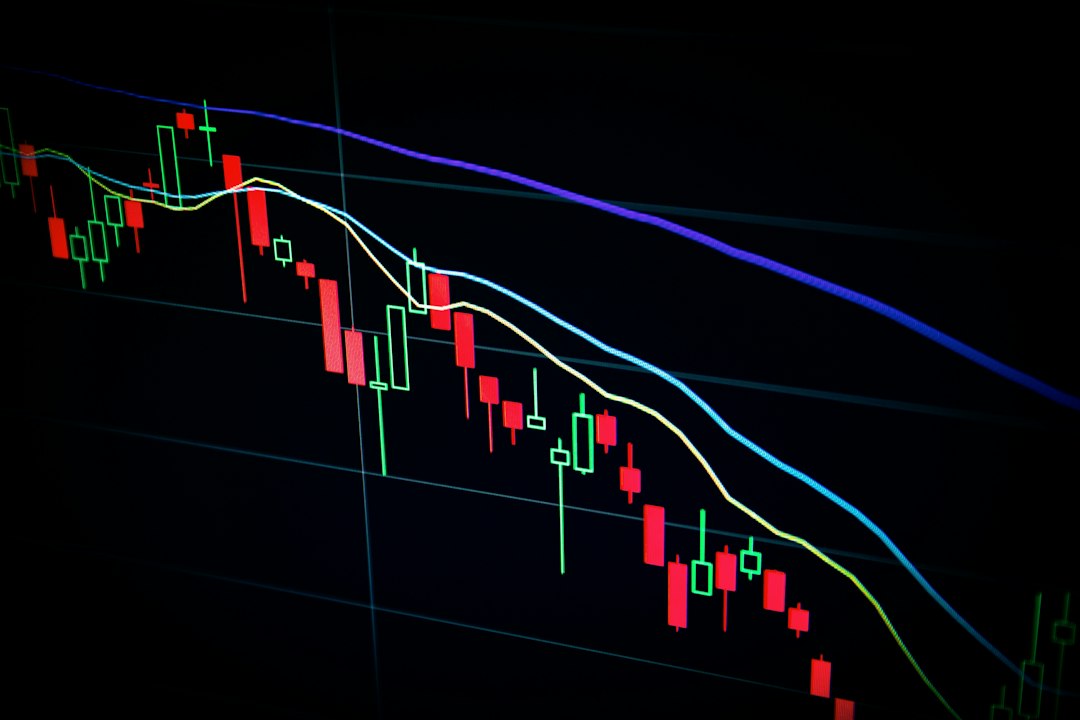
Market volatility is inevitable in Forex trading, with sudden price swings triggered by economic data, geopolitical events, or liquidity changes. While human traders may panic or freeze during turbulent periods, AI trading bots follow programmed logic to navigate these conditions. However, not all bots handle volatility equally well. Understanding how these automated systems respond to market fluctuations can help traders select appropriate tools and set realistic expectations for their trading automation strategy.
Adaptive Algorithms and Volatility Detection
Modern AI trading bots use adaptive algorithms that continuously monitor market conditions and adjust trading parameters accordingly. These systems measure volatility through indicators like Average True Range (ATR), Bollinger Bands, or standard deviation calculations. When volatility spikes, well-designed bots can automatically widen stop-loss levels, reduce position sizes, or temporarily pause trading to avoid excessive risk exposure.
The sophistication of these adaptive mechanisms varies significantly:
- Basic bots may use fixed volatility thresholds that trigger predefined responses
- Machine learning bots can recognize volatility patterns from historical data and adjust strategies dynamically
- Advanced AI systems may incorporate sentiment analysis from news feeds to anticipate volatility before it appears in price data
However, even sophisticated algorithms face limitations. Extreme market events that fall outside training data can cause unexpected bot behavior, highlighting the importance of human oversight.
Risk Management During High Volatility
AI trading bots implement several risk management protocols specifically designed for volatile markets. These include dynamic position sizing that reduces trade volume as volatility increases, and circuit breakers that halt trading when certain thresholds are exceeded. Many bots also adjust their take-profit and stop-loss distances based on current market conditions rather than using static values.
| Risk Feature | Low Volatility Response | High Volatility Response |
|---|---|---|
| Position Size | Standard or increased | Reduced by 30-70% |
| Stop-Loss Distance | Tight (20-30 pips) | Widened (50-100+ pips) |
| Trade Frequency | Normal execution rate | Reduced or paused |
| Leverage Usage | Higher leverage ratios | Conservative reduction |
These automatic adjustments help protect trading capital during unpredictable market movements, but they also mean reduced profit potential when volatility subsides quickly. Traders must balance protection with opportunity cost when configuring their bots.
Common Challenges and Limitations
Despite their programmed logic, AI trading bots face several challenges during volatile periods. Slippage becomes more pronounced when markets move rapidly, causing execution prices to differ significantly from expected levels. This can turn profitable signals into losing trades even when the bot's analysis was correct.
Overtrading is another risk, particularly for bots designed to capitalize on price swings. High volatility generates numerous trading signals, potentially leading to excessive transaction costs that erode profits. Additionally, some bots struggle with whipsaw movements—rapid directional changes that trigger multiple stop-losses in succession.
Perhaps most critically, AI bots trained on historical data may encounter market conditions they've never experienced. The COVID-19 market crash of March 2020, for example, created volatility patterns unprecedented in many bots' training sets, leading to significant losses for poorly designed systems. This reinforces that no trading bot is truly "set and forget"—active monitoring remains essential.
Optimizing Bot Settings for Volatility
Traders can improve their bots' performance during volatile markets by adjusting configuration parameters. Setting appropriate maximum drawdown limits ensures the bot stops trading before catastrophic losses occur. Implementing volatility filters allows bots to recognize when market conditions exceed safe operating parameters.
Regular backtesting across different volatility regimes helps identify weaknesses in bot logic before live trading. Consider testing your bot's performance during:
- Major economic announcements (NFP, FOMC decisions)
- Sudden geopolitical events (election results, trade negotiations)
- Market open/close periods with increased volatility
- Low-liquidity periods that amplify price swings
Additionally, combining multiple bots with different volatility responses creates a more robust trading system than relying on a single algorithm.
Conclusion
AI trading bots offer systematic responses to market volatility through adaptive algorithms and risk management protocols, but they're not foolproof. Understanding their limitations helps traders set appropriate expectations and maintain necessary oversight. By optimizing bot configurations for different volatility regimes and combining automated trading with human judgment, you can better navigate unpredictable Forex markets. Remember that successful automated trading requires continuous monitoring, testing, and adjustment—not blind faith in algorithms.