
The Most Common Forex Trading Strategies Explained
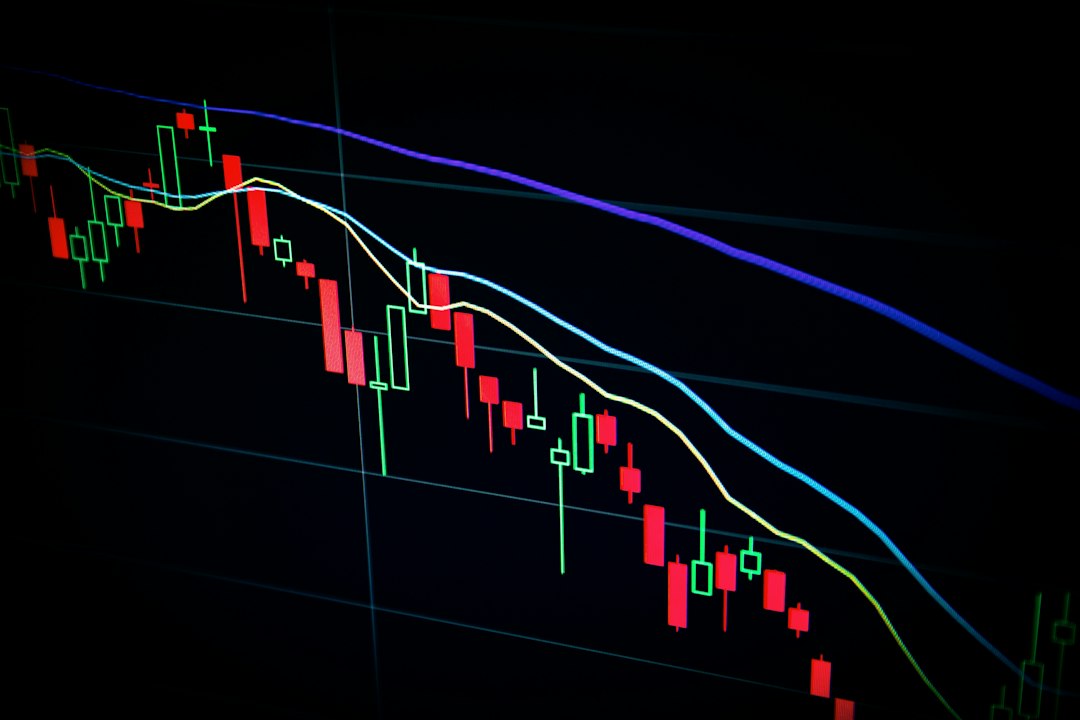
Choosing the right trading strategy can determine your success in the Forex market. With countless approaches available, many traders struggle to identify which method aligns with their risk tolerance, schedule, and financial goals. This guide breaks down the four most common Forex trading strategies—scalping, day trading, swing trading, and position trading—helping you understand their mechanics, timeframes, and suitability for different trader profiles.
Scalping: Quick Profits from Tiny Price Movements
Scalping involves executing dozens or even hundreds of trades daily, targeting small price movements of 5-10 pips per trade. Scalpers hold positions for seconds to minutes, capitalizing on high-frequency opportunities during volatile market sessions. This strategy requires intense focus, fast execution, and access to tight spreads.
Scalping works best during high-liquidity periods like the London-New York overlap (8 AM - 12 PM EST). Traders typically use 1-minute to 5-minute charts with technical indicators like moving averages and Bollinger Bands. While profits per trade are small, the cumulative effect can be substantial. However, transaction costs from spreads and commissions can erode gains, making broker selection critical. Automated trading bots are increasingly popular for scalping, as algorithms can execute trades faster than humans and remove emotional decision-making.
Day Trading: Capitalizing on Intraday Volatility
Day trading involves opening and closing all positions within a single trading day, avoiding overnight exposure and swap fees. Day traders typically execute 3-10 trades daily, holding positions for minutes to hours. This strategy requires significant time commitment during active market hours but offers more breathing room than scalping.
Common day trading techniques include:
- Breakout trading: Entering positions when price breaks through support or resistance levels
- Range trading: Buying at support and selling at resistance within defined price boundaries
- News trading: Capitalizing on volatility from economic announcements and central bank decisions
Day traders rely on 5-minute to 1-hour charts and use technical analysis tools like RSI, MACD, and candlestick patterns. Many day traders now incorporate AI-powered trading systems that scan multiple currency pairs simultaneously for high-probability setups.
Comparing Popular Trading Strategies
Understanding the key differences between trading strategies helps you select the approach that matches your lifestyle and risk profile. The table below summarizes critical factors across the four main methods:
| Strategy | Time in Trade | Trades Per Week | Skill Level |
|---|---|---|---|
| Scalping | Seconds to minutes | 50-200+ | Advanced |
| Day Trading | Minutes to hours | 10-50 | Intermediate |
| Swing Trading | Days to weeks | 3-10 | Intermediate |
| Position Trading | Weeks to months | 1-5 | Beginner-Friendly |
Swing Trading: Riding Medium-Term Trends
Swing trading targets price swings over several days to weeks, allowing traders to capture larger moves without constant market monitoring. Swing traders analyze daily and 4-hour charts, using trend indicators like moving averages and Fibonacci retracements to identify entry and exit points.
This strategy suits traders with full-time jobs, as positions require only periodic monitoring. Swing traders must account for overnight and weekend gaps, implementing proper risk management with stop-loss orders. The approach works well in trending markets and can be enhanced with algorithmic trading tools that alert traders to potential setups based on predefined criteria.
Position Trading: Long-Term Fundamental Analysis
Position trading is the longest timeframe strategy, with trades lasting weeks to months. Position traders focus on fundamental analysis—economic indicators, interest rate differentials, and geopolitical events—rather than short-term price fluctuations. They use weekly and monthly charts to identify major trends.
This strategy requires patience and substantial capital to withstand larger drawdowns. Position traders pay significant swap fees for holding overnight positions but aim for returns that far exceed these costs. The hands-off nature makes position trading ideal for beginners learning market fundamentals, though it requires strong conviction to hold through temporary adverse movements. Some traders use automated trading bots to manage position sizing and implement trailing stops for long-term trades.
Each Forex trading strategy offers unique advantages depending on your available time, risk tolerance, and trading personality. Scalping and day trading demand active participation and quick decision-making, while swing and position trading allow for a more measured approach. Start by testing different strategies on a demo account, tracking your emotional responses and results. Many successful traders combine elements from multiple strategies or use AI trading tools to enhance their chosen method. Remember that no strategy guarantees profits—consistent success comes from disciplined execution, proper risk management, and continuous learning.