
How to Reduce Trading Risks Using Automation
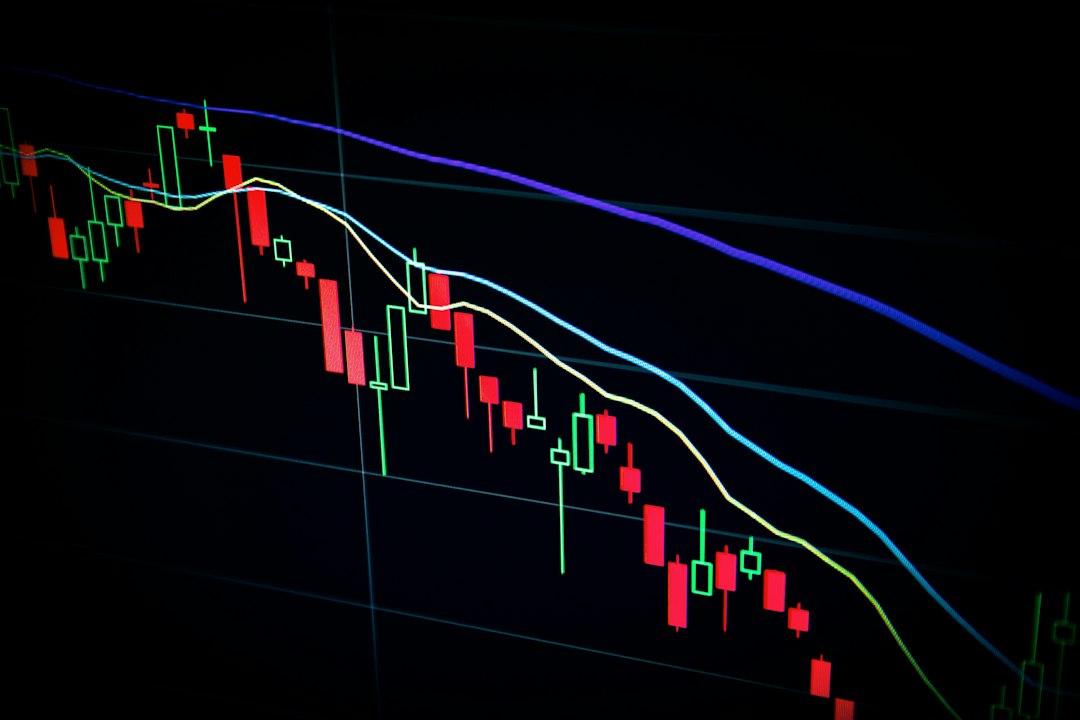
Trading the Forex market involves inherent risks that can quickly erode capital if not properly managed. Emotional decision-making, inconsistent execution, and lack of discipline are common pitfalls for manual traders. Automated trading systems offer a practical solution by removing emotional bias, enforcing strict risk parameters, and executing trades with precision. In this guide, you'll learn how automation reduces trading risks through predefined rules, consistent execution, and advanced risk management features.
Eliminating Emotional Decision-Making
Human emotions are the enemy of consistent trading performance. Fear and greed often lead traders to hold losing positions too long or exit winning trades prematurely. Automated trading bots execute trades based solely on predefined algorithms, completely removing emotional interference.
Key benefits of emotionless execution include:
- No panic selling during market volatility
- Consistent adherence to stop-loss levels
- No revenge trading after losses
- Objective entry and exit point execution
By following programmed rules without deviation, automated systems maintain discipline that manual traders often struggle to achieve. This consistency is particularly valuable during high-stress market conditions when emotional decisions typically cause the most damage.
Enforcing Strict Risk Management Parameters
One of automation's most powerful risk-reduction features is the ability to hardcode risk management rules into every trade. Unlike manual trading where traders might be tempted to override their own rules, automated systems enforce parameters without exception.
| Risk Parameter | Manual Trading | Automated Trading |
|---|---|---|
| Stop-Loss Placement | May be moved or ignored | Always executed precisely |
| Position Sizing | Subject to emotional variance | Calculated consistently |
| Max Daily Loss Limit | Often exceeded in frustration | Automatically enforced |
| Risk-Reward Ratio | Can deteriorate over time | Maintained per strategy rules |
Automated systems can implement sophisticated position sizing algorithms that adjust trade volume based on account equity, recent performance, and market volatility. This dynamic approach protects capital more effectively than static manual calculations.
Backtesting and Strategy Validation
Backtesting allows traders to test automated strategies against historical data before risking real capital. This critical process reveals potential weaknesses, optimal parameter settings, and realistic performance expectations.
Effective backtesting reduces risk by:
- Identifying strategies that would have failed in past market conditions
- Revealing maximum drawdown expectations
- Testing strategy robustness across different time periods
- Optimizing entry, exit, and risk parameters
However, traders must avoid over-optimization—fitting strategies too closely to historical data often results in poor real-market performance. A robust automated strategy should perform consistently across various market conditions and timeframes, not just in carefully selected backtesting periods.
24/7 Market Monitoring and Rapid Execution
The Forex market operates around the clock, creating opportunities and risks at all hours. Automated trading bots monitor markets continuously and execute trades instantly when conditions match strategy criteria, eliminating the risk of missed opportunities or delayed responses.
Speed advantages include:
- Immediate execution when technical indicators align
- Instant stop-loss activation during sudden volatility
- No missed trades due to sleep or time zone differences
- Faster reaction to news events and price movements
This constant vigilance is particularly valuable for strategies that capitalize on short-lived market inefficiencies or require precise timing. Manual traders simply cannot maintain this level of attention without experiencing fatigue-related errors.
Diversification Through Multiple Strategies
Automation enables traders to run multiple strategies simultaneously across different currency pairs and timeframes. This diversification reduces overall portfolio risk by preventing overexposure to any single market condition or trading approach.
A well-diversified automated portfolio might include trend-following systems, mean-reversion strategies, and breakout algorithms operating independently. When one strategy underperforms due to unfavorable market conditions, others may compensate, smoothing equity curves and reducing drawdown severity.
Risk is further reduced when automated systems include correlation analysis, preventing excessive exposure to currency pairs that move together. This level of portfolio management complexity is challenging to maintain manually but becomes manageable with proper automation.
Conclusion: Automated trading significantly reduces Forex risks through emotionless execution, strict parameter enforcement, continuous monitoring, and diversification capabilities. While automation isn't risk-free and requires careful strategy development and monitoring, it addresses many vulnerabilities inherent in manual trading. Start by automating simple risk management rules, thoroughly backtest any strategy, and gradually expand automation as you gain confidence in your systems.