
What Traders Should Know About Trading Algorithms
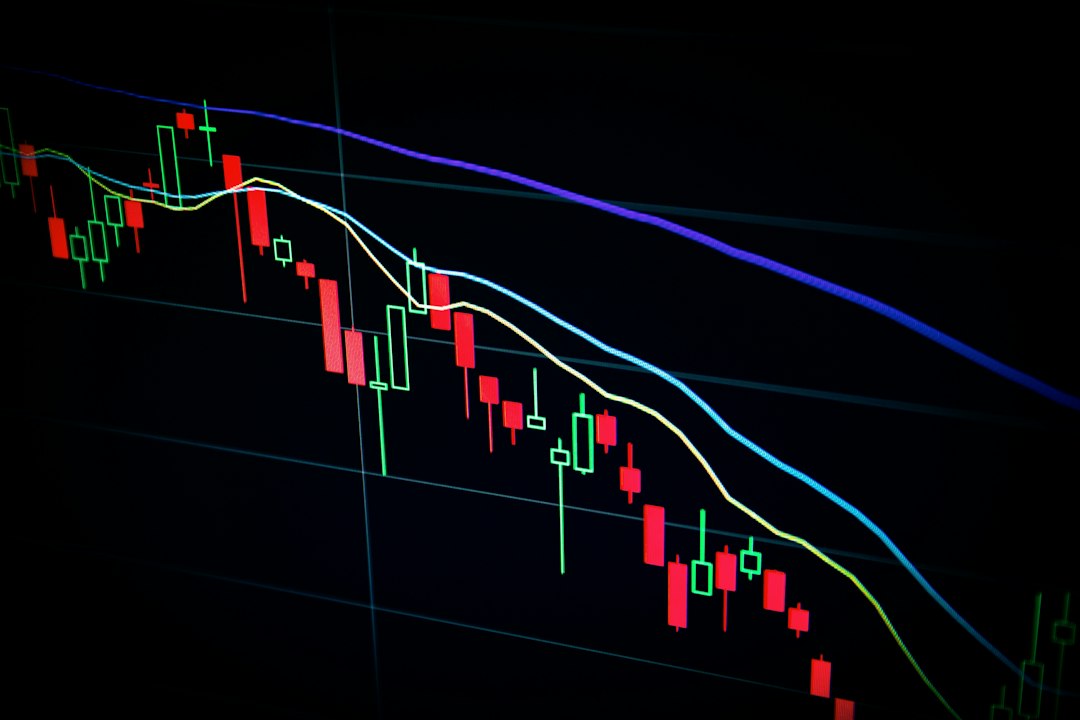
Trading algorithms have transformed how traders approach Forex markets, offering speed and precision that manual trading cannot match. However, many traders jump into algorithmic trading without understanding the fundamentals, risks, and requirements for success. This guide explains what you need to know before implementing trading algorithms, from basic concepts to practical considerations that can make or break your automated trading journey.
Understanding How Trading Algorithms Work
A trading algorithm is a set of predetermined rules and instructions that automatically execute trades based on specific market conditions. These programs analyze price movements, technical indicators, and market data far faster than human traders. Algorithmic trading systems operate on if-then logic: if certain conditions are met, then execute a specific action such as buying, selling, or closing a position.
Modern algorithms range from simple moving average crossovers to complex machine learning models that adapt to market conditions. The algorithm continuously scans the market, identifies opportunities matching its criteria, and executes trades without emotional interference. Some algorithms focus on scalping small profits across many trades, while others target longer-term trends. Understanding your algorithm's strategy is essential before deployment.
Key Advantages and Limitations
Trading algorithms offer significant benefits but come with important limitations every trader must recognize. The primary advantage is eliminating emotional decision-making—algorithms follow their programming regardless of fear or greed. They also provide 24/7 market monitoring, instant execution, and the ability to backtest strategies using historical data.
| Aspect | Advantages | Limitations |
|---|---|---|
| Execution Speed | Millisecond response times | Requires stable technology infrastructure |
| Emotion Control | Zero emotional interference | Cannot adapt to unprecedented events |
| Market Coverage | 24/7 monitoring across pairs | High-frequency trading increases costs |
| Consistency | Follows rules precisely | May continue losing strategies |
However, algorithms cannot predict black swan events or adapt to fundamental market shifts without reprogramming. They require constant monitoring, proper risk management, and periodic optimization to remain effective as market dynamics evolve.
Essential Requirements for Algorithmic Trading
Successfully implementing trading algorithms requires more than just purchasing or downloading software. First, you need a reliable technical infrastructure: stable internet connection, appropriate hardware, and a trusted broker with API access for automated execution. Many algorithms require Virtual Private Server (VPS) hosting to ensure continuous operation.
Second, you must understand basic programming concepts or work with qualified developers. Even pre-built algorithms require configuration, parameter adjustment, and ongoing maintenance. Third, thorough backtesting on historical data is mandatory—never deploy an untested algorithm with real money. Finally, start with small position sizes and gradually scale up only after confirming consistent performance in live market conditions.
Risk Management in Automated Trading
The most critical aspect of algorithmic trading is implementing robust risk management protocols. Algorithms can execute hundreds of trades quickly, amplifying both profits and losses. Every algorithm must include stop-loss parameters, maximum drawdown limits, and daily loss caps to prevent catastrophic losses.
Key risk management practices include:
- Setting maximum position sizes relative to account equity
- Implementing circuit breakers that halt trading after significant losses
- Regular monitoring of algorithm performance metrics
- Maintaining adequate account balance for margin requirements
- Testing algorithms in demo environments before live deployment
Never assume an algorithm is "set and forget." Market conditions change, and what worked yesterday may fail tomorrow. Successful algorithmic traders review performance weekly, adjust parameters as needed, and aren't afraid to pause systems during unusual market volatility or major news events.
Choosing and Optimizing Your Trading Algorithm
Selecting the right algorithm depends on your trading goals, risk tolerance, and available capital. Pre-built algorithms offer convenience but may lack customization. Custom-developed algorithms provide flexibility but require significant investment in development and testing. Regardless of choice, avoid over-optimization—fitting an algorithm too perfectly to historical data often results in poor live performance.
Focus on algorithms with transparent logic and proven track records across different market conditions. Test thoroughly using out-of-sample data to verify robustness. Remember that past performance never guarantees future results. The best algorithms balance profitability with manageable drawdown and align with your risk management philosophy.
Conclusion: Trading algorithms offer powerful tools for Forex traders willing to invest time in understanding their mechanics, limitations, and requirements. Success requires proper infrastructure, rigorous testing, disciplined risk management, and ongoing monitoring. Start small, learn continuously, and never risk more than you can afford to lose. With the right approach, algorithmic trading can enhance your trading strategy and provide consistency that manual trading struggles to match.